

Choosing the best exfoliator for face and body is not only about the product name. It depends on your skin type, the area you want to exfoliate, and how you use the product within your routine. Facial skin is thinner and more sensitive to strong formulas, while body skin can usually tolerate a different type of exfoliation, especially on rough areas like knees and elbows. The right exfoliator helps remove dead skin cells and improve skin texture without causing visible dryness, redness, or irritation.
What Is the Best Exfoliator for Face and Body?
The best exfoliator is the one that suits your skin and is used correctly. If you have oily skin, you may need a best face exfoliator that helps clean the pores and reduce dead skin buildup. If your skin is sensitive, a gentle formula and limited use should be your priority.
For the body, a best body exfoliator can be slightly stronger than a face exfoliator, especially for areas like the legs, arms, knees, elbows, and heels. Still, harsh rubbing does not mean better results. It may lead to irritation and make roughness feel worse over time.
Can You Use the Same Exfoliator for Face and Body?
You can use the same product on the face and body only if the label clearly says it is suitable for both areas. In most cases, rough body scrubs are not recommended for the face because large particles or strong fragrance may irritate the skin, especially if it is sensitive or acne-prone.
Your face needs a lighter formula, shorter contact time, and very gentle massage. The body may need an exfoliator that helps with rough texture and dead skin buildup, but not through daily use or heavy pressure.
Benefits of Face and Body Exfoliation
Face and body exfoliation can help improve the look and feel of the skin when done in moderation. Its main benefits include:
- Removing dead skin cells from the skin’s surface.
- Making the skin feel softer and smoother.
- Helping moisturizer apply and absorb more evenly after showering or cleansing.
- Reducing the dull look caused by dead skin buildup.
- Improving the appearance of rough areas like knees and elbows.
- Supporting the look of a more even skin tone.
- Supporting a routine for even skin tone and dark spot care when paired with moisturizer and sunscreen.
However, exfoliation is not a direct treatment for deep pigmentation or inflamed acne. If the concern is severe or persistent, it is better to check with a dermatologist instead of layering too many products at once.
How to Choose the Best Exfoliator for Your Skin Type
Choosing the right exfoliator starts with understanding your skin type because each skin type has different needs.
Best Exfoliator for Oily Skin
When choosing an exfoliator for oily skin, look for a product that helps clear buildup without leaving the skin overly dry. Oily skin may tolerate exfoliation more than dry skin, but that does not mean exfoliating every day.
Start once a week, then increase to twice weekly if your skin feels comfortable and there is no redness, tightness, or uncomfortable peeling. Avoid aggressive scrubbing because oily skin can still become irritated, and harsh products may make shine or breakouts look more noticeable.
Best Exfoliator for Sensitive Skin
Sensitive skin needs a softer approach. Choose a gentle formula and use it only once a week at first. It is also better to test the product on a small area before applying it to the whole face.
Avoid exfoliation if your skin is inflamed, burning, very dry, or recently exposed to strong sun. Sensitive skin does not need a complicated routine. A simple routine with gentle cleansing, light exfoliation when needed, good moisturization, and morning sunscreen is usually a better choice.
Best Body Exfoliator for Rough Areas
Areas like knees, elbows, and heels need consistency, not harsh scrubbing. Exfoliating these areas can gradually improve texture, especially when paired with regular moisturization.
You can support rough areas with a routine that includes knee and elbow exfoliation care, but the best results usually come from combining gentle exfoliation with hydration.
After every exfoliation session, apply a suitable moisturizer because dryness can make these areas look darker or feel rougher.
Types of Exfoliators: Which One Suits You?
There is more than one type of exfoliator, and each one works differently.
Physical Exfoliant
A physical exfoliant is usually an exfoliating scrub that contains small particles to manually remove dead skin cells. It is often more suitable for the body than the face, especially if the particles are noticeable.
When using a physical exfoliant, massage the skin in light circular motions and avoid applying strong pressure. This type may work well for rough body areas, but it is not always the best choice for the face or sensitive skin.
Chemical Exfoliant
A chemical exfoliant uses ingredients that help loosen dead skin cells without scrub particles. It may be suitable for the face or body depending on the product type and concentration.
This type needs careful use. Follow the product instructions and avoid mixing it with several strong active products on the same day. If you already use retinol or acne treatments, do not add a chemical exfoliant before checking that the products can be used together.
Natural and Homemade Exfoliators
Homemade exfoliators may seem simple, but they are not always safe for every skin type. Ingredients like lemon or coarse sugar may irritate, especially with sun exposure.
If you want to try a natural exfoliator, choose gentle ingredients and avoid applying it to inflamed, irritated, or very sensitive skin.
Best Exfoliator for Face and Body from Beauty Mam
If your goal is softer skin and a more even-looking tone, choosing the right exfoliating product from Beauty Mam can make exfoliation a useful step in your routine, not just a random extra step. The point is not to scrub the skin aggressively, but to use a product that supports gentle dead skin removal and helps improve texture gradually, especially when you stay consistent with moisturizer and sun protection.
Pigmentation Removal Cream for Exfoliation and Brightening
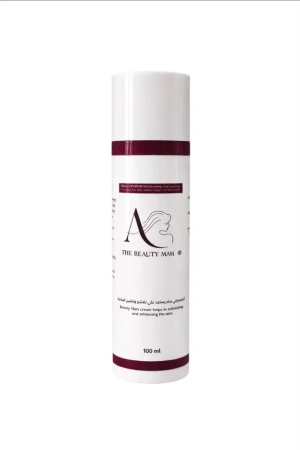
Beauty Mam Pigmentation Removal Cream can be a suitable option within your routine if your goal is to improve the look of tone and texture together. It helps support gentle exfoliation and reduce the look of dead skin buildup that can make the skin appear dull or uneven.
It can be used as part of a consistent routine for areas that need smoother texture and a more balanced appearance. Follow the usage instructions on the product, and avoid combining it with strong exfoliators on the same day to reduce the chance of dryness or irritation.
Because any exfoliation and brightening routine needs daily protection, make sure to follow the right sunscreen application method in the morning, especially when using products that support exfoliation. This gives you a balanced routine: gentle exfoliation, good hydration, and protection that helps maintain the skin’s appearance.
How to Use a Face and Body Exfoliator Correctly
Follow these steps:
- Cleanse your face or body well.
- Apply a suitable amount of product.
- Massage gently without pressure.
- Avoid the eye area when exfoliating the face.
- Do not leave the product on longer than the time written on the label.
- Rinse the skin well.
- Apply a suitable moisturizer such as Hydra Glow Moisturizing Cream to support skin renewal.
- In the morning, apply sunscreen.
Make exfoliation a weekly step within your skincare routine order, not a daily repeated step.
Why Is Moisturizing After Exfoliation Important?
Moisturizing after exfoliation is essential because the skin may need extra support after dead skin cells are removed. A moisturizer helps reduce the feeling of tightness and dryness while keeping the skin softer.
When choosing the best moisturizer after exfoliating, look for a formula that suits your skin type, does not feel heavy, and helps calm the skin after exfoliation.
Mistakes to Avoid When Exfoliating Face and Body
- Using a rough body scrub on the face.
- Exfoliating every day without need.
- Scrubbing knees and elbows aggressively.
- Using an exfoliator right after hair removal.
- Skipping moisturizer after exfoliation.
- Applying exfoliator on irritated skin.
- Going out in the sun without sunscreen.
- Combining more than one strong exfoliating product on the same day.
Choosing the best exfoliator for face and body starts with understanding your skin’s needs, not using the strongest product or exfoliating too often. With a balanced routine that includes gentle exfoliation, proper moisturization, and morning sunscreen, your skin can look smoother and more radiant over time.
Choose the right product from Beauty Mam and start with simple steps that help you care for your skin texture and appearance with confidence.
FAQs
What is the best exfoliator for face and body?
The best exfoliator is the one that suits your skin type and the area you want to use it on. It should help remove dead skin cells without causing visible irritation or dryness.
Can I use a body exfoliator on my face?
Not always. A body exfoliator can be used on the face only if the product is made for both face and body and has a gentle formula.
Does exfoliation remove dead skin?
Yes, exfoliation helps remove surface dead skin cells and improve skin texture. However, it does not treat every cause of pigmentation or roughness.
How often to exfoliate?
How often to exfoliate depends on your skin type. Sensitive skin may need exfoliation once a week, while normal or oily skin may tolerate once or twice weekly depending on skin response.
What should I apply after exfoliation?
Apply a suitable moisturizer after exfoliation. In the morning, use sunscreen, especially when using exfoliating or brightening products.