

You may notice that your face becomes shiny quickly while your cheeks feel tight, or that a product that works well for someone else leaves your skin dry or irritated. Answering the question “How to know my skin type?” starts with observing where oiliness and dryness appear after cleansing, then choosing products that suit each area’s needs.
You can perform a skin type test at home by washing your face with a gentle cleanser and waiting 30 to 60 minutes without applying any products. Shine across most of the face usually suggests oily skin, while tightness or flaking points to dry skin. If your forehead, nose, and chin look shiny while your cheeks feel dry, you probably have combination skin.
What Is the Difference Between Skin Type and Skin Condition?
Skin type describes your skin’s general characteristics and how much oil it produces. The main types are oily, dry, combination, and normal skin. A skin condition can change because of weather, air conditioning, exfoliation, or certain products. For example, oily skin can become dehydrated, while dry skin can still develop breakouts.
One pimple or a single day of dryness is not enough to determine your skin type. Observe your skin over several days and separate its usual behaviour from temporary changes.
How Can I Know My Skin Type at Home?
You can get an initial indication of your skin type using either of these methods:
- The wash-and-wait skin test: Wash your face with a gentle cleanser and lukewarm water, then pat it dry. Wait 30 to 60 minutes without applying moisturizer, serum, or makeup. Check for shine or tightness across your forehead, nose, chin, and cheeks.
- The blotting paper skin test: Gently press a clean tissue or blotting paper against different areas of your face without rubbing. Check how much oil appears on the paper and where it comes from.
How Do You Read Your Skin Type Test Results?
- Visible oil across most of the face: Oily skin.
- Oil on the forehead, nose, and chin only: Combination skin.
- No visible oil with tightness, roughness, or flaking: Dry skin.
- A small amount of oil without tightness or excess shine: Normal skin.
- Frequent redness, itching, or stinging: Your skin may be sensitive, whether it is oily or dry.
These results provide an initial guide. Heat, sweating, the cleanser you use, and products previously applied to the skin can affect the result.
What Are the Main Skin Types and Their Signs?
Oily Skin
Oily skin produces more sebum, which can cause shine across larger areas of the face. Pores may appear more visible, with a greater tendency to develop blackheads or breakouts. This does not mean oily skin should skip moisturizer; it still needs gentle cleansing and lightweight formulas that do not feel heavy.
Read the oily skin care routine guide to learn how to arrange cleansing, moisturizing, and sun protection steps.
Dry Skin
Dry skin may look rough or dull, feel tight after cleansing, or develop light flakes. It usually needs a gentle cleanser and a moisturizer that supports the skin barrier. Hot water, frequent washing, and harsh exfoliation should be avoided.
Combination Skin
Combination skin has more than one characteristic. The forehead, nose, and chin are usually shiny, while the cheeks may be normal or dry. A balanced combination skin care routine uses lightweight products while providing extra moisture to dry areas when needed.
Normal Skin
Normal skin is relatively balanced, without persistent dryness or excess shine, and usually feels comfortable after cleansing. It still benefits from a gentle cleanser, suitable moisturizer, and daily sunscreen to maintain this balance.
Is Sensitive Skin a Separate Skin Type?
Sensitivity does not describe how much oil your skin produces, and it can occur alongside any other skin type. Your skin can be oily and sensitive or dry and sensitive at the same time. Common signs include frequent redness, itching, or stinging after applying certain products.
If your skin becomes irritated easily, choose simple, fragrance-free formulas. Introduce one new product at a time and patch-test it on a small area before applying it to your entire face.
How Can I Tell the Difference Between Oily and Combination Skin?
The main difference is where the oil appears. With oily skin, shine usually spreads across the forehead, nose, chin, and cheeks. With combination skin, shine is mainly concentrated in the T-zone, while the cheeks remain balanced or feel drier.
Press a separate blotting sheet against each area instead of using one sheet across your whole face. Comparing the amount of oil from your T-zone and cheeks will give you a clearer indication.
How Do I Choose Skin Care Products for My Skin Type?
Begin with three basic steps: a gentle cleanser, a suitable moisturizer, and daytime sunscreen. Once your skin is comfortable with this routine, you can add a targeted product for a specific concern, such as uneven skin tone.
Choose your products using these guidelines:
- For oily skin: Choose lightweight formulas that do not leave a greasy feel.
- For dry skin: Look for richer moisturizers with ingredients that support hydration.
- For combination skin: Use lightweight formulas and apply more moisturizer to dry areas when needed.
- For sensitive skin: Choose simple, fragrance-free formulas.
- For normal skin: Use products that maintain balance without adding unnecessary steps.
The benefits of skin hydration include helping to reduce tightness and roughness. Do not remove moisturizer from your routine simply because your face develops some shine.
Beauty Mam Products You Can Add to Your Routine
Beauty Mam offers a selection of products that can be used across different skin types and needs.
Beauty Mam Face Wash for Cleansing Different Skin Types
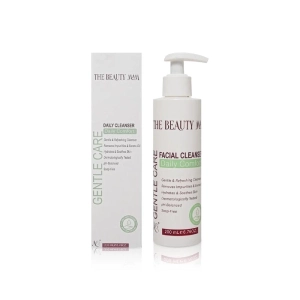
Beauty Mam Face Wash helps remove impurities and excess oil without harsh scrubbing. Its soap-free and fragrance-free formula contains glycerin, panthenol, hyaluronic acid, and aloe vera. Apply it to a wet face, rinse with lukewarm water, and avoid direct contact with the eyes.
Beauty Mam Gel Cream for Lightweight Hydration
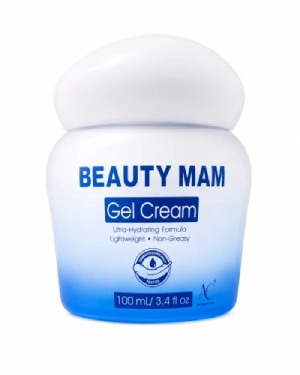
If you prefer lightweight moisturizers, you can add Beauty Mam Gel Cream to your routine. It contains ceramide, hyaluronic acid, and glycerin to support hydration and the skin barrier. Use it in the morning and evening as directed, and apply it before sunscreen during the day.
Beauty Mam HydraGlow Moisturizing Cream
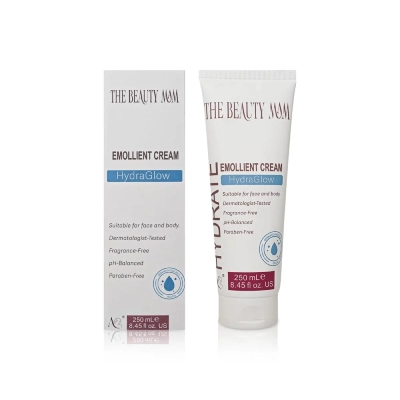
Beauty Mam HydraGlow Moisturizing Cream suits skin that needs a richer texture, particularly dry or flaky skin. Its formula contains shea butter, squalane, hyaluronic acid, and plant oils, and it can be used on the face and body. Although its name refers to supporting exfoliation, it is a moisturizer that helps keep the skin comfortable during an exfoliation routine; it is not an exfoliator itself.
Beauty Mam SPF 60 Sunscreen for Daily Protection
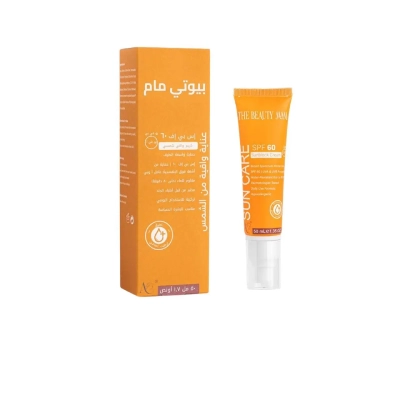
Beauty Mam SPF 60 Sunscreen provides broad-spectrum UVA and UVB protection, according to the product information. Apply it after moisturizer and about 15 minutes before sun exposure. Reapply every two hours while outdoors and after swimming, sweating, or towel-drying.
Can Your Skin Type Change with the Weather?
Your skin may look and feel different as seasons, heat, humidity, and air conditioning change. Shine may become more noticeable in hot weather, while dry conditions and long periods in air-conditioned spaces can cause tightness or dryness.
A temporary change does not always mean that your underlying skin type has completely changed. Repeat the test under stable conditions and observe your skin for several days before changing your routine.
Mistakes That Can Affect a Skin Type Test
- Performing the test after exercise or heat exposure.
- Using a harsh cleanser that leaves the skin feeling tight.
- Applying moisturizer or serum before completing the test.
- Examining the skin immediately after exfoliation.
- Assuming that breakouts always mean oily skin.
- Judging your skin type based on one day.
- Using one tissue across the whole face without comparing different areas.
When Should You See a Dermatologist?
Consult a dermatologist if redness, itching, or burning persists, or if you develop severe and painful breakouts, noticeable scaling or cracks, or irritation after using most products. These symptoms may be linked to a skin condition that needs professional assessment rather than a skin type that only requires a different cleanser or moisturizer.
Answering “How to know my skin type?” begins with observing how your skin normally behaves and building a simple routine around its needs. Browse Beauty Mam products and choose the products that complete the cleansing, moisturizing, and protection steps in your daily routine.
FAQs
How Do I Know If My Skin Type Is Oily or Dry?
Wash your face and wait 30 to 60 minutes without applying any products. If most of your face becomes shiny and feels oily, your skin is more likely to be oily. Tightness, roughness, or visible flaking usually indicates dry skin.
How Can I Tell the Difference Between Oily and Combination Skin?
Oily skin usually develops shine across most of the face, including the cheeks. With combination skin, oil is mainly concentrated around the forehead, nose, and chin, while the cheeks remain normal or dry.
Do Breakouts Mean That I Have Oily Skin?
No. Breakouts can also appear on dry, combination, sensitive, or normal skin. Identify your skin type by observing oil distribution and tightness rather than relying on breakouts alone.
How Do I Know If I Have Sensitive Skin?
Your skin may be sensitive if it frequently becomes red, itchy, or stings after using certain products. Sensitivity can occur alongside any skin type, so consult a dermatologist if the irritation is persistent or severe.